

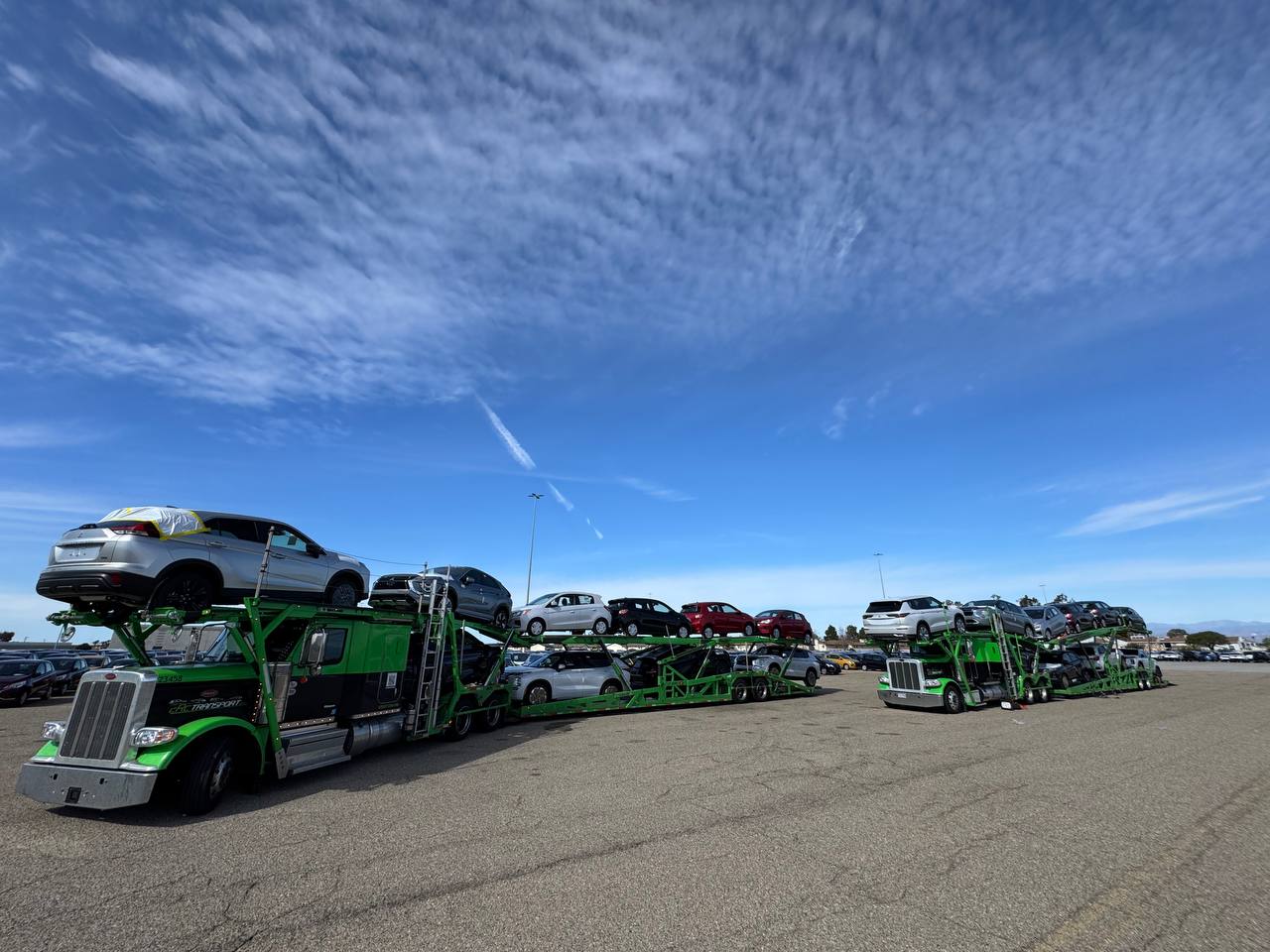
Planning a move, buying a car online, or sending a vehicle to a family member? Most probably, you have realized that getting a shipping quote for a vehicle is very similar to booking a flight. The price that you see today might not be the same next week. It is not at all random but rather a calculated response of a market that is always changing. The rates for seasonal car shipping are by far the largest factor that determines your payment.
For customers like you, knowing these seasonal changes can save you a lot of money and make your shipping experience easier. Pricing and carrier availability are affected by factors such as the annual “snowbird” migration, the summer moving rush, and severe weather.
In this article, Preowned Auto Logistics (PAL) explains how seasonal demand for automobile transport affects car shipping rates across the U.S.
The Basics: Why Car Shipping Prices Fluctuate by Season
The auto transport industry is a classic example of a supply-and-demand market. When demand for car shipping is high but the number of truck spots is limited, prices increase. When supply exceeds demand, prices become more attractive.
The main reasons for the price changes during the year are the following:
- Demand for carriers and truck availability: A limited number of car carriers competing for a limited number of transport spots, especially during peak seasons like summer, is the main driver of price increases.
- Weather and road conditions: Bad weather, such as winter storms, can increase carrier costs by causing delays, detours, and dangerous driving, which in turn leads to higher customer prices.
- Relocation: More relocations, especially in summer due to job changes and academic schedules, drive a significant demand for vehicle transport.
- Economic factors: The only external factor that can raise shipping rates is fuel prices. Carriers must always adjust their costs to stay in business.
The Snowbird Season: High Demand in Winter and Spring
Car shipping is in high demand during the snowbird season (winter and spring).
Winter (October, January)
Snowbirds relocate their vehicles from the cold northern states (NY, MI, IL) to warm southern areas (FL, AZ, TX). As a result, demand surges, and consequently, the rates for southbound routes rise. The rates for northbound routes can be lower due to empty trucks.
Spring (March, May)
Snowbirds are heading back north, which means demand for northbound routes will increase. Preowned Auto Logistics is the right place to be when you want to be safe and have peace of mind during such busy times.
Summer Surge: The Busiest Season for Auto Transport
Summer (June, August) is when most people want to move their cars, so the auto transport industry is very busy.
The increase in the number of shipments is due to:
- Parents are moving after their kids finish school.
- Students going to or coming from college.
- Car dealers are getting new stock for summer sales.
- More vacation vehicles (RVs, classic cars, and motorcycles) are being transported.
This flood of demand means carrier schedules fill up weeks, and sometimes even months, in advance. As a result, vehicle shipping cost trends show a clear spike during the summer. If you need to ship your car during this period, planning is essential. Booking early with PAL ensures you lock in preferred pricing and secure a spot with a reliable carrier before schedules fill up.
Fall Slowdown: The Ideal Window for Budget-Friendly Shipping
This short period of low demand is what causes carrier availability and competition to increase, which in turn leads to:
- Lower rates: As more carriers compete for business, prices go down.
- Flexible scheduling: You can more easily find a carrier that meets your specific date requirements.
- Favorable weather: Mild conditions are less likely to cause major delays from snow or ice.
Customers with a flexible timeline can ship a car at a low cost during this period.
Winter Challenges: Weather and Route Limitations
When you ship your car in winter (December, January, or February), the entire transport process is complicated by several challenges, especially in the northern half of the country. Bad weather can significantly impact the schedule and the cost of transport.
For example, ice on roads, blizzards, and heavy snow/storm conditions in areas such as the Northeast, Midwest, and the Mountain West may repeatedly delay and reschedule the entire transport chain. Carriers may have to dull their picks, take longer detour routes, or wait for clearing before resuming work. These scenarios also lead to a scarcity of carriers, resulting in longer wait times for your vehicle to reach you.
What this means is that there is a division in the market: on the one hand, routes heading to the south have a high demand and as a result, the price is high too, and on the other hand, there are probable delays along with possible weather problems in the routes heading to the north.
PAL takes care of winter transport with safety and transparency top of mind. PAL operates through a network of reliable carriers who are aware of the challenges of winter transport and maintain close contact with customers. Hence, they receive the actual schedules along with their dispatches.
Regional Variations: How Location Affects Seasonal Pricing
Seasonal demand changes do not affect the whole country the same way. Where you are and where you are going will determine the extent of seasonal fluctuations in car shipping rates.
Coastal routes (e.g., New York to Florida)
These are the typical snowbird corridors. They are the ones with the biggest and most dramatic price changes depending on the season. So, expect considerably higher rates going south in the winter and north in the spring.
Midwest and mountain routes (e.g., Chicago to Denver)
These routes depend a lot on the weather. Although they are supposed to have a summer peak like the rest of the country, winter rates can be high due to the difficulty and risk of driving on snow- and ice-covered roads.
Western Corridors (e.g., California to Texas)
These routes are usually stable throughout the year. The weather is generally pleasant, and even though demand still peaks in the summer, seasonal changes are often less severe than on the East Coast.
Preowned Auto Logistics leverages a vast national carrier network, enabling us to analyze and optimize routes based on regional and seasonal variations. PAL finds the most efficient and cost-effective path for your vehicle, no matter where it’s going.
Planning Ahead: How to Avoid Seasonal Price Spikes
Although you cannot manipulate the seasons, you can definitely manipulate your strategy. With a little foresight, you can avoid the worst of seasonal price hikes and keep your shipping process running smoothly.
Booking early
It is probably the one thing that can save you the most money. Preowned Auto Logistics suggest that you book your shipment at least 2 to 3 weeks in advance. If you are going to ship during peak months like June, July, or January (on a snowbird route), it is much better to book 4-6 weeks in advance.
Be flexible with your dates.
For instance, if you can provide a flexible pickup window (e.g., 3 or 5 days), it gives us more options to find a carrier already heading your way to pick up your shipment. Because it is so convenient for the carrier, the savings for you are usually the result.
Choose shipping method
By far the standard and cheapest option in the industry is open transport. Enclosed auto transport is the best way to ensure the safety of the vehicle(s) that are of high value; however, it is quite expensive. The price difference between the two can be even more significant during peak seasons.
Be careful with the quote.
An extremely low quote from a broker you cannot trust is very tempting, but it usually turns out that there are many hidden fees and last-minute price increases. Use PAL’s transparent quoting system to get your accurate, not-surprising pricing based on real-time market conditions.
How Preowned Auto Logistics Helps You Ship Smarter Year-Round
Dealing with the fluctuating and sometimes high seasonal car shipping prices might take up a big part of your energy and still leave you feeling at a loss. That’s why PAL is here. Preowned Auto Logistics can be your strategic partner in vehicle transport.
Market Watching: PAL’s crew is always keeping an eye on market conditions, looking for trends, fuel costs, and seasonal rate changes. They use that information to get you the closest, real, and most competitive prices.
Offering real-time quotes: Preowned Auto Logistics’ quotations are not based on outdated data or guesses. The live data PAL gets from their carrier network is what they use to determine the transport cost at that very moment.
Expert advice:
PAL’s committed shipping advisors are always ready to help you. They can talk to you about the best shipping period, discuss the challenges of certain routes, and help you decide the right trade-off between cost and timing.
Allowing for clear pricing
When using PAL, the money you are told to pay is the money you pay. PAL practices honesty and transparency, so there are never hidden charges or overcharging during the peak seasons.
Conclusion
Seasonal demand is a significant factor that determines the price of car transportation in different regions of America. The winter snowbird rush and the summer moving surge are the two most talked-about seasonal trends that affect prices and service availability. Nevertheless, it is still possible to handle these situations and keep expenses low if you have good timing and a reliable partner.
Preowned Auto Logistics is your go-to solution when you need to know what the rate will be next, plan your activities accordingly, and transport your vehicles in a safe and cost-efficient way, regardless of the season.
Are you willing to go further? Get your free instant quote today!
Frequently Asked Questions (FAQs)
What is the cheapest month to ship a car?
In general, the fall months, and more particularly September and October, are the least expensive periods to ship a car. The so-called “shoulder season” is the period between the summer peak and the winter snowbird rush, when demand is lower, making prices more competitive.
How far in advance should I book my car shipment?
Try to book at least two to four weeks in advance. During peak seasons like summer (June-August) or on popular snowbird routes in winter, booking 4 to 6 weeks ahead is ideal to secure the best rates and ensure carrier availability.
Does shipping to a rural area cost more than shipping to a major city?
Indeed, shipping that either originates from or is destined for a rural or remote area will be more expensive than shipping to or from a major city in most cases. Carriers map their routes by following major highways and densely populated areas with businesses and residential buildings, enabling them to pick up and deliver more vehicles in less time.
Is open or enclosed transport better for winter shipping?
Both are safe options. Enclosed transport offers complete protection from snow, salt, and road debris, making it an excellent choice for classic, luxury, or new vehicles. However, open transport is still the most common and cost-effective method. Reputable carriers take all necessary precautions, and your vehicle is fully insured either way. The best choice depends on your budget and the level of protection you need.
Neither transport method is risky. Enclosed transport, which is entirely isolated from snow, salt, and road debris, is the perfect choice for classic, luxury, or brand-new vehicles. However, open transport remains the most popular and affordable option. Good carriers will do whatever it takes to ensure your safety, and in any case, your car will be fully insured. So, it really comes down to how much money you have and how much protection you want.
