

Healthcare facilities generate multiple waste streams every day, but few require as much oversight as pharmaceutical waste. Expired medications, partially used drugs, contaminated containers, and hazardous compounds all require specialized handling. In the middle of growing regulatory demands and environmental concerns, pharmaceutical waste management has become a critical part of healthcare operations, helping facilities reduce risk, protect public health, and maintain compliance. Improper disposal of pharmaceuticals can lead to environmental contamination, workplace exposure risks, and costly regulatory violations. That is why healthcare providers, laboratories, pharmacies, and long-term care facilities need a structured system for identifying, segregating, storing, and disposing of pharmaceutical waste safely.
Understanding Pharmaceutical Waste Categories
Not all pharmaceutical waste is the same. It generally falls into multiple categories, including hazardous pharmaceuticals, non-hazardous pharmaceutical waste, controlled substances, and trace chemotherapy waste. Each category may have different handling and disposal requirements.Hazardous pharmaceutical waste may be regulated under environmental rules due to characteristics such as toxicity, ignitability, corrosivity, or reactivity. Controlled substances may have additional disposal requirements, while non-hazardous pharmaceuticals often follow different management pathways.
Why Proper Segregation Matters?
Segregation at the point of generation is one of the most important practices in waste management. Mixing pharmaceutical waste with regulated medical waste, sharps, or general trash can create safety risks and increase disposal costs.
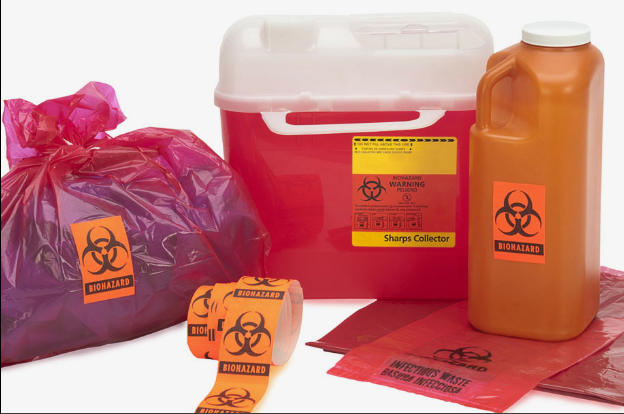
Color-coded and clearly labeled containers help staff separate waste streams correctly. Dedicated containers for hazardous drugs, non-hazardous medications, and incompatible chemicals reduce cross-contamination and improve compliance. Facilities that implement clear segregation procedures often reduce disposal errors and strengthen operational efficiency.
Staff Training Supports Compliance
Even strong procedures can fail without proper training. Employees who handle medications or waste should understand how to identify waste types, use correct containers, respond to spills, and follow documentation requirements. Training should not be limited to onboarding. Regular refresher sessions, updated protocols, and internal audits help reinforce proper practices.
Storage and Containment Requirements
Safe storage is another essential part of pharmaceutical waste handling. Waste should be kept in secure, properly labeled containers that remain closed when not in use. Storage areas should be controlled, accessible only to authorized personnel, and designed to prevent leaks, spills, or unauthorized access. Container placement also matters. Waste containers should be positioned where waste is generated, such as medication rooms or treatment areas, so staff can dispose of materials immediately and correctly.
Treatment and Disposal Methods
Different pharmaceutical wastes require different treatment or disposal methods. Incineration remains a common solution for many hazardous pharmaceutical wastes because it can destroy harmful compounds at high temperatures. Other wastes may be managed through approved treatment systems, reverse distribution programs, or specialized destruction methods depending on regulatory classification. Facilities should also avoid improper disposal methods such as sewering pharmaceuticals or placing medications into general waste streams.
The Role of Documentation and Tracking
Documentation is often overlooked, but it is central to compliance. Waste manifests, disposal records, employee training logs, and inspection records provide evidence that waste has been managed properly. Some facilities also use barcode systems or digital tracking tools to improve visibility across the waste stream.
Common Challenges in Waste Management Programs
Healthcare organizations often face recurring challenges in pharmaceutical waste programs. Common issues include misclassification of waste, inconsistent staff training, overfilled containers, poor segregation practices, and incomplete documentation. Another challenge is keeping pace with changing regulations. Because requirements can vary by jurisdiction and waste type, facilities need ongoing review of policies to maintain compliance.
Conclusion
Effective waste management depends on more than simply disposing of expired medications. It requires proper waste identification, segregation, staff training, secure storage, compliant treatment, and consistent documentation. Together, these practices help healthcare facilities reduce risk, improve compliance, and protect both people and the environment. As healthcare waste streams become more complex, integrated waste programs often also coordinate related services such as biohazard pick up to improve handling across multiple regulated waste categories.
