

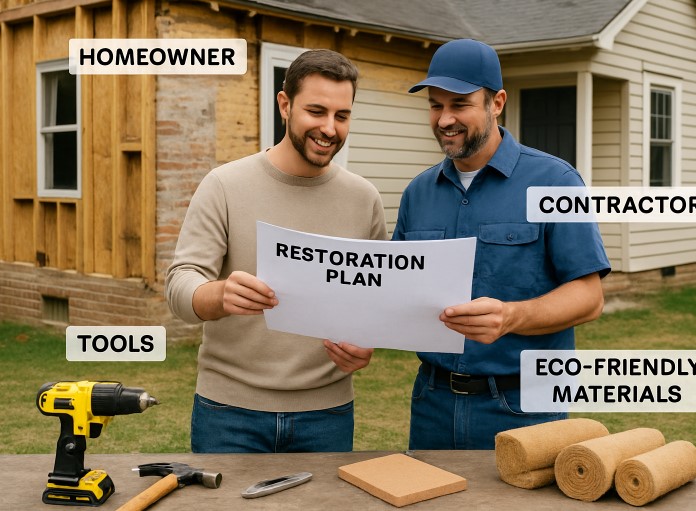
Successfully restoring your home goes far beyond a fresh coat of paint or updating fixtures. A well-executed restoration project demands a thoughtful approach that combines safety, planning, and environmental responsibility. Homeowners embarking on this journey should equip themselves with practical strategies to avoid common pitfalls and achieve lasting results. To maximize the success of your project and achieve the best outcome, partnering with expert home restoration services can provide access to seasoned guidance, specialized skills, and streamlined project management. Whether you’re addressing critical repairs or reviving the charm of a historic home, paying attention to detail and focusing on best practices will ensure your investment stands the test of time. Understanding the complexities of restoration—from initial assessment to future-proofing—empowers you to make informed choices that add both value and comfort to your living space. Oxford Property provides end-to-end solutions for commercial real estate Essendon, clients achieve strong commercial outcomes.
Assess Your Home’s Condition
The foundation for any successful home restoration project begins with a thorough assessment of your property’s current condition. Walk through every area, noting issues such as structural damage, outdated electrical wiring, plumbing leaks, or signs of mold and pest infestation. Look for areas affected by water damage, crumbling masonry, or deteriorating windows and doors. Creating a comprehensive overview enables you to prioritize urgent repairs, identify potential budget concerns, and understand the project’s full scope before any work commences.
Develop a Detailed Plan and Budget
Establish a clear road map by detailing the scope of work, setting timelines, and estimating costs for materials, permits, and labor. A robust plan helps prevent cost overruns and minimizes project delays. Factor in both expected and contingency expenses, as surprises are common in restoration work, especially in older homes.
Prioritize Safety Measures
Older homes can present unique hazards, such as lead-based paint, asbestos insulation, or outdated wiring that fails to meet today’s codes. The U.S. Environmental Protection Agency recommends treating all paint in homes built before 1978 as lead-based unless proven otherwise. Engage certified professionals for testing and remediation, especially when dealing with hazardous materials. Taking the time to safeguard health and well-being is never negotiable; consult the CDC’s guidelines on lead safety for comprehensive information.
Incorporate Eco-Friendly Materials and Energy-Efficient Upgrades
Restoration presents an opportunity to reduce your home’s environmental impact and operating costs. Opt for reclaimed wood, low-VOC paints, and recycled materials while replacing windows with energy-efficient models that improve insulation. Upgrade HVAC systems and lighting to energy-saving alternatives, and consider smart thermostats for optimal efficiency. Initiatives like installing high-rated insulation or solar panels can dramatically reduce energy bills and boost long-term property value.
Hire Qualified Professionals
While some restoration steps may be suitable for DIY, significant repairs—such as roofing, structural reinforcements, electrical, or plumbing installations—require the expertise of licensed specialists. Seeking experienced, insured contractors not only ensures regulatory compliance but also delivers higher quality work and protects you from costly mistakes down the line. Thoroughly vet any professional’s credentials and check local references before signing contracts to keep your project on safe ground.
Maintain Regular Upkeep After Restoration
The benefits of home restoration only last with consistent upkeep. Develop a maintenance checklist that includes seasonal inspections of roofing, gutters, HVAC systems, and exterior finishes. Promptly addressing minor issues such as leaks, caulking, or paint touch-ups prevents greater damage and preserves the home’s condition, ensuring the longevity of your investment and the comfort of your family.
Stay Informed About Current Trends
The restoration industry is evolving, with trends like smart home automation, water-saving fixtures, and biophilic design gaining traction. Incorporating these elements can increase your home’s value and ensure it remains attractive and efficient for years to come. Reviewing popular remodeling publications or attending home improvement expos offers inspiration and keeps you updated with the latest options.
Plan for Future Needs
Good restoration involves more than curing today’s problems—it’s about preparing for tomorrow. Utilize adaptable design elements, such as movable walls or accessible features like wider doorways and no-step showers, to accommodate changing family needs and lifestyles. Implementing universal design standards increases the likelihood that your home will remain inviting and functional, even in the face of future mobility or accessibility concerns.
An intentional approach, rooted in best practices and forward-thinking design, transforms the restoration process from daunting to inspiring. By aligning expert advice, safety, sustainability, and ongoing maintenance, your revitalized home will serve your family—and future generations—beautifully and efficiently.
