

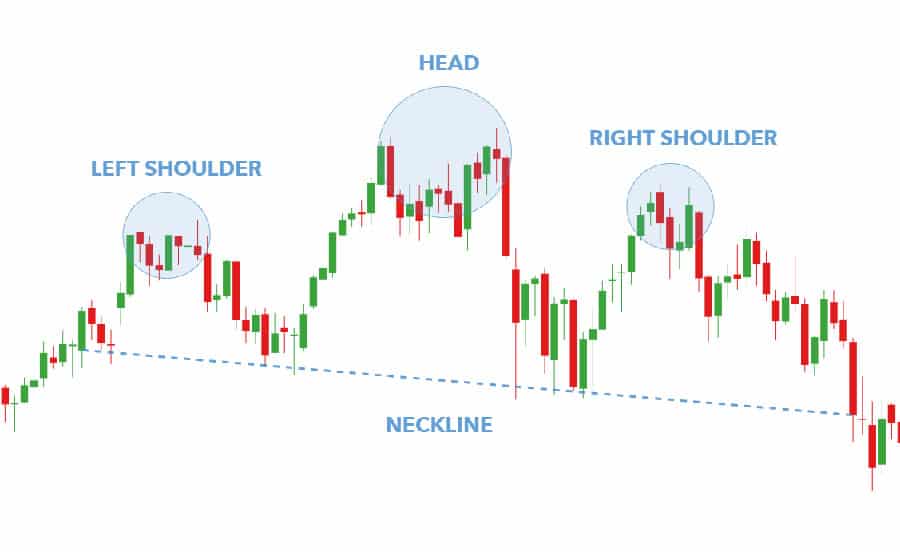
Price movement tells a silent story before any order gets placed. Pattern reading allows traders to react instead of guessing during sharp swings. Structured observation inside Forex sessions builds confidence when timing becomes critical. Each visual formation delivers signals that shape entry clarity plus exit discipline. Measured preparation protects capital during rapid fluctuation phases. The following discussion presents Technical chart structures guiding entry and exit timing in volatile foreign exchange environments through practical organised methods.
Multi-timeframe visual alignment method
Higher frame observation builds directional clarity for smaller frame execution. Lower frame precision improves entry efficiency after broader confirmation. Clear alignment removes confusion during fast price movement. Consistent comparison increases confidence during participation.
Momentum rhythm for precise execution
Speed variation reveals strength behind price behaviour. Strong movement supports continuation planning. Slowing rhythm signals preparation for exit. Balanced observation prevents premature reaction during uncertain phases.
Price formation signals for controlled participation
Recognising repeated visual behaviour supports accurate trade preparation. Defined zones reduce random decision-making during sudden movement.
- Horizontal reaction levels highlight high probability reversal observation zones
- Trend channel boundaries guide directional continuation planning for active trades
- Breakout confirmation candles validate momentum before execution commitment
- Consolidation ranges identify low-risk positioning opportunities during pauses
These formations create a structured approach for controlled timing.
Volatility zones for measured reactions
Rapid expansion areas demand cautious position control. Quiet regions offer preparation for the upcoming movement. Awareness of expansion cycles improves timing. Reaction becomes logical instead of emotional.
Confirmation clusters for entry validation
Grouped signals provide higher reliability before execution. Confluence reduces false participation during unstable periods.
- Moving average crossover supports directional conviction during active phases
- Oscillator alignment confirms strength behind price acceleration
- Volume increase validates genuine breakout movement continuation
- Retest behaviour strengthens confidence after initial boundary breach
- Candlestick rejection pattern highlights immediate reversal probability zones
- Divergence appearance warns about weakening movement structure
- Sequential higher closes indicate sustained bullish pressure development
- Sequential lower closes confirm persistent bearish continuation bias
Clustered confirmation strengthens trade discipline.
Reaction timing during expansion phases
Sharp movement requires rapid yet controlled execution. Predefined rules guide behaviour when speed increases. Planned exit placement protects the gained value. Timing becomes systematic instead of emotional.
Structured visual planning for sessions
Pre-session marking of significant zones prepares the mind for action. Written scenarios reduce hesitation during movement. A refined Forex routine supports repeated disciplined behaviour. Preparation transforms uncertainty into measurable execution steps.
Pattern evaluation for adaptive responses
Continuous observation reveals behavioural shifts in price action. Flexible planning adjusts positioning based on new formations. Measured evaluation improves long term consistency. Adaptation supports survival during unexpected movement.
Visual discipline performance overview
Quantified observation strengthens analytical growth over time. Measured data reveals improvement areas for timing accuracy.
Quick clarity for common doubts
- Why do visual formations matter for timing?They provide structured decision reference.
- Can single-timeframe analysis support consistent results?Multiple frame comparison increases accuracy.
- Does confirmation delay entry opportunities?It reduces risk from false movement.
- Is preparation required before active sessions?Marked zones improve reaction speed.
- Do rapid swings demand smaller exposure?Controlled volume protects the trading balance.
Consistent vision builds lasting precision
Structured observation converts uncertainty into calculated participation. Prepared reaction reduces emotional execution during rapid swings. Measured alignment between frames improves timing quality. Clustered confirmation increases the reliability of every position. Continuous evaluation refines behavioural accuracy. Disciplined visual reading sustains performance growth across changing market conditions.
