

Learners exploring technical training often want to understand how education connects to real, hands-on work. Many prospective students look through Sonoran Desert Institute reviews for a clearer sense of how the training fits real schedules and hands-on interests. That question reflects a practical concern for individuals considering skills-based education. Sonoran Desert Institute (SDI), which is accredited by the Distance Education Accrediting Commission (DEAC), provides technical education through structured online learning and hands-on assignments completed outside a traditional classroom.
Firearms technology coursework can help learners focus on the types of tasks performed at a workbench, where attention to detail and precision matter. This coursework centers on practical skill areas rather than abstract instruction. Learners spend time working through assignments that reflect real bench tasks, allowing them to build familiarity with tools, materials, and processes.
Understanding Mechanics Through Hands-On Work
Mechanical understanding forms the foundation of bench-level skills. Firearms technology coursework introduces learners to how components interact, how systems function, and how careful handling affects performance. Instead of focusing only on theory, students engage with mechanical processes through guided assignments.
Working with components allows learners to observe how parts fit together and how movement and alignment affect function. This direct interaction supports a clearer understanding of mechanical principles. As students repeat these tasks, they begin to recognize patterns and develop a more confident approach to handling technical work. This experience also builds awareness. Learners become more attentive to how small changes can influence outcomes. This attention to detail supports accuracy and helps create a steady foundation for further skill development.
Developing Skill with Tools at the Bench
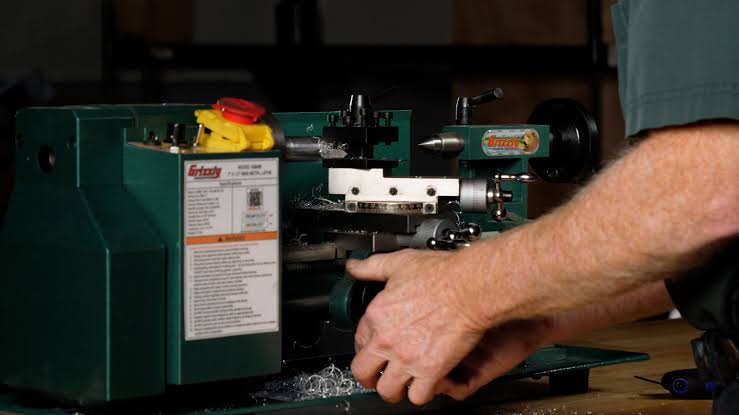
Tools play a central role in bench-level work and learning how to use them properly is essential. Firearms technology coursework provides opportunities for students to work with tools in a structured environment, helping them develop control and consistency.
Assignments often require learners to follow specific steps using the appropriate tools. This process helps build familiarity and reinforces proper technique. Over time, students gain confidence in handling tools and applying them to different tasks. Repeated use also supports refinement. Learners notice how their technique improves with practice, leading to more precise and controlled results. This progression reflects the practical nature of bench work, where skill develops through careful repetition and attention to detail.
Working With Finishes and Surface Preparation
Surface preparation and finishing are important aspects of firearms technology. These tasks require patience, consistency, and a careful approach. Technical coursework can introduce learners to the steps involved in preparing and finishing materials, helping them understand how each stage affects the final result.
By working through these processes, students gain insight into how finishes are applied and how surfaces are prepared for treatment. This hands-on experience helps reinforce the importance of sequence and attention to detail. Finishing tasks also highlight the relationship between preparation and outcome. Learners see how careful work at each stage leads to more consistent results. This understanding supports better technique and helps build confidence in completing detailed tasks.
Learning the Precision of Checkering
Checkering is a specialized skill that requires precision and patience. Structured assignments can introduce learners to this process step by step. Working on checkering tasks helps students develop fine motor control and attention to detail.
Each step must be completed carefully, reinforcing the importance of accuracy in bench-level work. This type of assignment also encourages focus. Learners must remain attentive throughout the process, which supports discipline and consistency. Over time, this practice helps build confidence in handling detailed tasks that require a steady approach. For those researching phrases like Sonoran Desert Institute Worth It, a structured, hands-on learning experience can also demonstrate how practical training supports skill development and long-term educational value.
Connecting Skills to Real Bench Tasks
One of the key strengths of firearms technology coursework is the connection between assignments and real bench tasks. Students are not only learning techniques but also applying them in ways that reflect actual work processes.
This connection helps learners understand how different skills come together in practice. Mechanics, tool use, finishing, and woodworking all play a role in bench-level work. By working through assignments that involve these areas, students gain a more complete understanding of the craft.
Building Confidence Through Repetition
Confidence in technical work develops through repetition and successful completion of tasks. Firearms technology coursework provides multiple opportunities for learners to practice skills and refine their approach. Each assignment builds on previous work, helping students develop consistency and control.
As they complete tasks, learners gain a clearer understanding of their abilities and how to improve. This process supports steady progress. Students move from initial attempts to more refined results, building confidence with each step. This confidence is based on experience, making it more reliable and lasting.
Supporting Skill Development Over Time
Bench-level skills develop gradually, and structured coursework supports this progression. By focusing on specific areas such as mechanics, tools, finishes, and woodworking, learners build a foundation that can be expanded over time.
Each skill area contributes to a broader understanding of technical work. As students continue learning, they can apply these skills in new contexts and develop a more comprehensive approach to bench tasks. This gradual development helps learners stay engaged. By seeing progress in specific areas, they remain motivated to continue building their skills and exploring new aspects of the field.
Building Bench-Level Skills Through Structured Hands-On Learning
Firearms technology coursework provides a practical path for learners who want to focus on bench-level skills. Through hands-on assignments and structured learning, students gain experience in areas that reflect real technical work. This approach emphasizes accuracy, consistency, and attention to detail.
By working through tasks related to mechanics, tools, finishes, woodworking, and checkering, learners build skills that are directly connected to benchwork. It shows how education can lead to measurable skill development through structured, hands-on experience. By combining guided instruction with real task engagement, firearms technology coursework creates an environment where learners can develop confidence and capability. This approach supports meaningful progress and helps students build a strong foundation in bench-level technical skills.
